

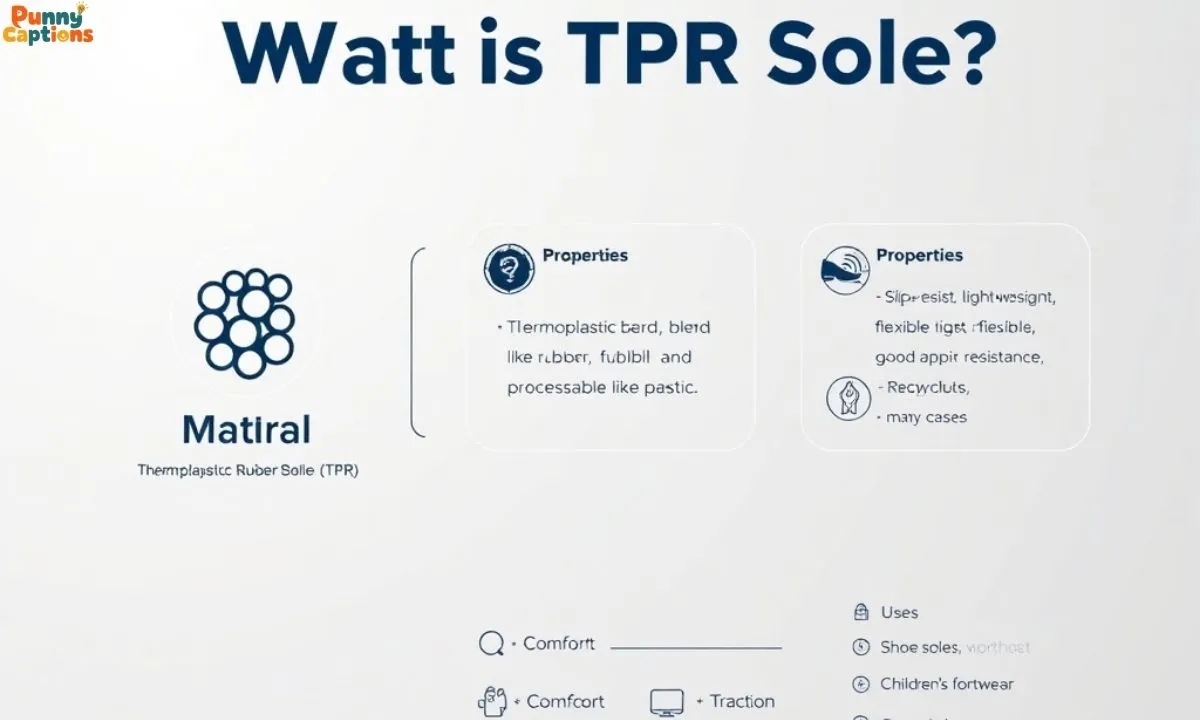
TPR sole is a popular material used in footwear today. It stands for Thermoplastic Rubber. It is soft, flexible, and durable. Many shoes use it for comfort and grip.
Designers like TPR because it is easy to shape. It can be used in many styles and colors. Manufacturers prefer it for its cost and efficiency. Buyers enjoy its comfort and long-lasting quality.
This guide will help you understand TPR soles in a simple way. You will learn how it is made and used. It also explains why it is a good choice. This is helpful for designers, manufacturers, and buyers.
Quick Definitions: Sole TPR Means and TPR Sole Meaning
Before diving into chemistry and data, it helps to align on terminology — because spec sheets, supplier quotes, and product labels use these terms interchangeably and sometimes loosely.
Sole TPR means: the outsole material is made from thermoplastic rubber, a class of elastomers that behave like rubber in use but process like thermoplastics in manufacturing.
TPR sole meaning: a molded outsole component formulated from a TPR compound, tuned by hardness grade, filler selection, and tread geometry to meet specific wear, traction, and comfort targets for a given shoe category.
TPR rubber meaning in context: when a supplier lists “TPR rubber” on a material spec sheet, they are referring to the base polymer family — typically styrenic block copolymers such as SBS (styrene-butadiene-styrene) or SEBS (styrene-ethylene-butylene-styrene) — blended with fillers and plasticizers to create the final compound.
When a product sheet lists “sole: TPR,” buyers should immediately request the compound’s Shore A hardness rating, Taber or DIN abrasion figures, density, and any compliance documentation (REACH, RoHS) from the supplier. These numbers — not just the material label — determine whether the compound is fit for your application.
At-a-Glance: Why Teams Choose a TPR Sole
Teams across footwear categories — from fashion sneakers to industrial safety shoes — specify TPR soles for a consistent set of reasons:
Manufacturing speed and cost: TPR processes like a thermoplastic, enabling faster injection-molding cycles and lower tooling costs compared to vulcanized rubber. This translates directly into production efficiency and lower per-unit overhead.
Tunable comfort: TPR compounds are available across a wide Shore A hardness range, allowing designers to dial in softness or stiffness depending on the intended use — from ultra-soft daily wear to firmer work footwear.
Balanced wear performance: Many TPR compounds deliver reliable abrasion resistance at a fraction of the cost of premium TPU, making them the pragmatic choice for mass-market programs where durability and price must both be managed.
Traction versatility: Formulation flexibility combined with micro-pattern tread design gives TPR soles competitive wet and dry grip performance across a variety of surfaces and use environments.
Recyclability: Because TPR is thermoplastic in nature, sprues, flash, and production waste can be reprocessed — reducing material waste during manufacturing and supporting sustainability targets.
TPR Rubber
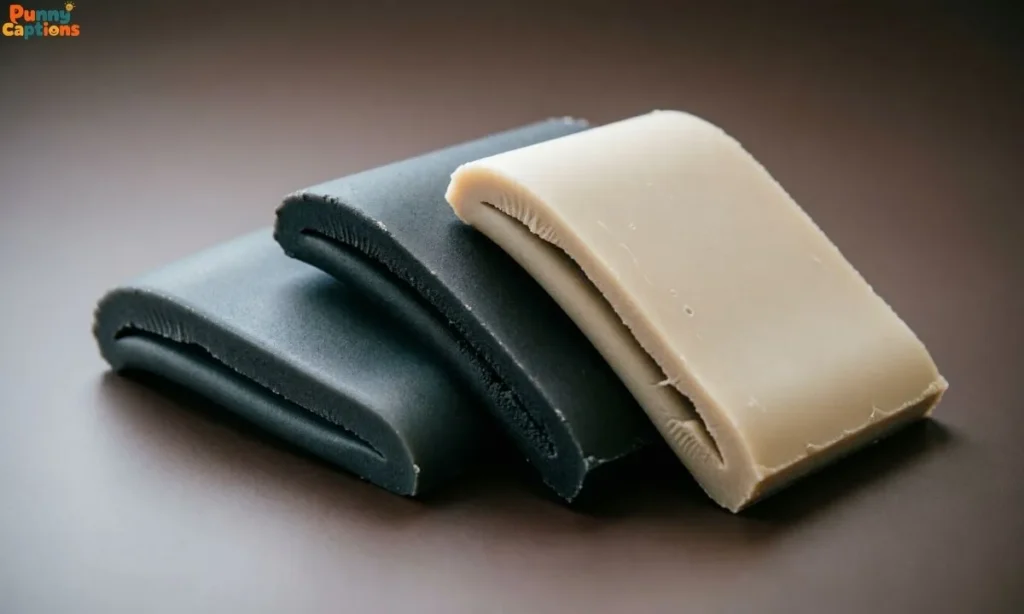
TPR rubber is the informal shorthand for thermoplastic rubber — a family of materials that bridge the gap between conventional rubber and rigid thermoplastics. In practical terms, TPR rubber feels and flexes like vulcanized rubber at room temperature, but it can be melted, molded, and melted like a plastic.
This combination of properties makes TPR rubber uniquely suited to high-volume, cost-sensitive manufacturing environments. Unlike vulcanized rubber, which requires heat-cured crosslinking during processing, TPR rubber requires no curing agent and no cure time. The material solidifies on cooling inside the mold and can be demolded quickly, enabling shorter cycle times and simpler production workflows.
TPR rubber outsoles are found in everyday casual footwear, fashion shoes, children’s shoes, work boots, and light industrial applications. The material’s versatility is its core commercial advantage.
Thermoplastic Rubber
Thermoplastic rubber (TPR) is a broader material category that encompasses several polymer families. In footwear, the most commonly used types are:
Styrenic block copolymers (SBCs): including SBS and SEBS grades. These are the most common TPR types used for shoe outsoles. SBS offers good flexibility and grip at low cost; SEBS provides superior weathering and UV resistance.
Thermoplastic polyolefin elastomers (TPO): used where chemical resistance and low density are priorities.
Thermoplastic vulcanizates (TPV): a more engineered sub-class where rubber particles are dynamically vulcanized inside a thermoplastic matrix, offering enhanced compression set resistance.
For most footwear outsole applications, SBS- and SEBS-based compounds are the practical default. They offer the best balance of processability, cost, and performance for everyday and fashion footwear.
The key distinction between thermoplastic rubber and conventional rubber is reversibility: thermoplastic rubber can be reprocessed after molding, while vulcanized rubber cannot. This makes TPR more manufacturing-friendly and — in principle — more recyclable at end of life.
TPR Chemistry & Material Basics
What Is TPR at a Polymer Level?
At the molecular level, TPR is built around block copolymer architecture. In an SBS compound, for example, hard polystyrene end-blocks provide structural rigidity, while the soft polybutadiene mid-block provides elasticity. These blocks phase-separate at the nanoscale, creating physical crosslinks that behave like chemical crosslinks at service temperatures — but dissolve when the material is heated above the styrene glass transition point, enabling melt processing.
Fillers and additives further tune performance:
- Carbon black and silica improve abrasion resistance and UV stability.
- Plasticizers (process oils) reduce hardness and improve flexibility at low temperatures.
- Stabilizers protect against thermal and oxidative degradation during molding.
- Pigments and colorants are added for aesthetics, though they can affect surface bloom if not properly formulated.
Typical Grades and Use Cases
| Grade Category | Shore A Hardness | Primary Application |
| Soft casual | 40–55A | Lightweight daily-wear and indoor footwear |
| General casual / fashion | 50–65A | City footwear, sneakers, fashion shoes |
| Work / utility | 60–75A | Work boots, safety footwear, heavy-use applications |
| Reinforced hybrid | 65–80A | TPR overmolded on EVA midsoles, or TPU-insert zones |
How TPR Soles Are Manufactured
Injection molding is the dominant production method for TPR outsoles. The compound is melted and injected under pressure into a closed mold. Gate design, runner layout, and mold venting are critical variables — poor venting produces knit lines or trapped air pockets that weaken the sole. Cycle times are typically short, and demolding is clean when the mold is properly designed.
Compression molding is used for simpler sole geometries or where tooling investment needs to be kept low. Cycle times are longer, but tooling costs are reduced.
Overmolding allows TPR to be molded directly onto pre-formed midsoles or uppers, creating a bonded unit sole without adhesives. Adhesion quality depends on surface preparation and material compatibility.
Extrusion and forming is used for continuous tread profiles or flat sheet soles that are later cut and shaped.
Processing tips for quality production:
- Control melt temperature carefully — overheating causes thermal degradation and surface defects.
- Use multiple gates or venting for complex tread geometries to eliminate air traps.
- Consider twin-screw compounding upstream to ensure uniform filler distribution in the compound.
- Validate demolding force; excessively high forces indicate tooling or formulation issues.
Scientific Performance Data
The table below summarizes representative laboratory performance data for TPR outsoles compared to EVA and TPU — the two most common alternative materials. These figures are compiled from supplier datasheets, published literature, and independent test ranges. Always validate with your specific compound and tread geometry.
Representative Performance Comparison Table
| Performance Metric | Typical TPR (Outsole) | EVA (Outsole-like) | TPU (Outsole) |
| Shore A hardness | 40–80A | 20–65A | 60–95A |
| Taber abrasion (mg/1000 cycles) | 30–300 | 80–400 | 5–50 |
| DIN/ISO abrasion (mm³ loss) | 40–160 | 120–400 | 10–45 |
| Coefficient of friction (dry) | 0.45–0.80 | 0.30–0.60 | 0.40–0.75 |
| Density (g/cm³) | 0.9–1.2 | 0.2–0.6 | 1.1–1.3 |
| Relative material cost | Mid | Low | High |
| Recyclability | High (thermoplastic) | Variable (foam complicates) | Moderate |
Interpretation: A TPR sole typically outperforms simple EVA compounds on abrasion resistance while remaining significantly less expensive than high-performance TPU. For everyday and fashion footwear — where TPU performance is more than required and EVA durability is insufficient — TPR sits in a clearly defined practical middle ground. Reinforced TPR grades can close the gap with entry-level TPU on abrasion at a meaningful cost advantage.
Tribology: How TPR Wears and Why That Matters
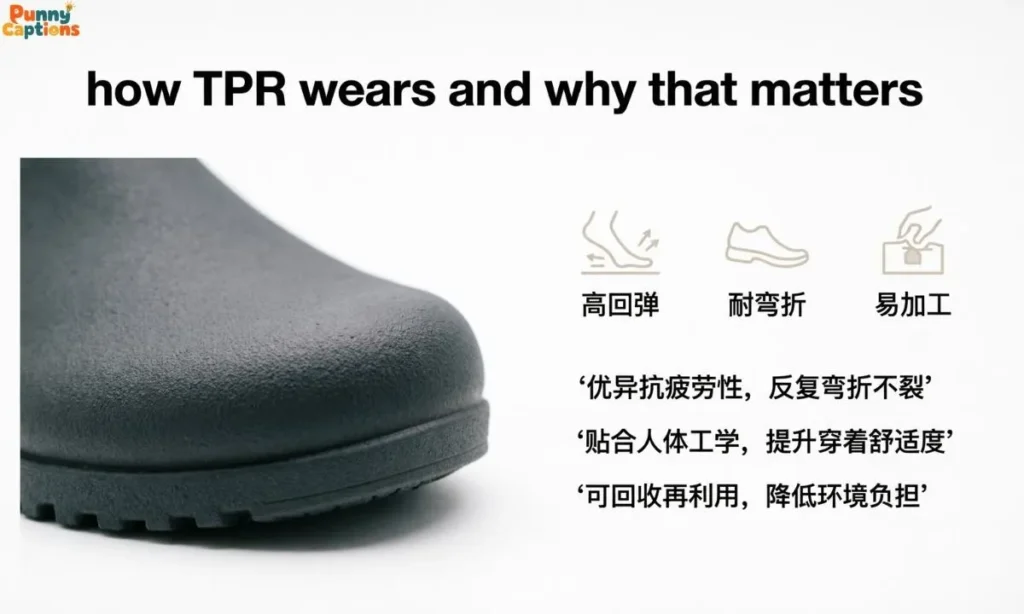
Tribology is the science of friction, wear, and lubrication. For outsole designers and material specifiers, understanding wear modes in TPR helps predict real-world performance and select the right compound for demanding applications.
Wear Modes in TPR Outsoles
Outsole wear occurs through three primary mechanisms:
Adhesive wear: micro-contact between the sole surface and the walking substrate causes material transfer. In TPR, the softness of the elastomeric phase makes it susceptible to adhesive wear on rough concrete or asphalt — particularly at low hardness grades.
Abrasive micro-cutting: sharp surface asperities cut micro-grooves into the outsole. Filler load (carbon black, silica) directly affects resistance to this mechanism. Higher-filler compounds — and harder grades — resist abrasive cutting better than soft, unfilled compounds.
Fatigue cracking: repeated flexing during the gait cycle initiates micro-cracks in high-stress zones (typically forefoot and heel edge). Crack propagation rate depends on polymer toughness, filler dispersion, and tread geometry. SEBS-based compounds generally show better fatigue crack resistance than SBS-based grades due to the saturated mid-block.
Correlating Lab Tests to Field Life
Laboratory wear tests are valuable screening tools, but no single test fully predicts outsole life in the field. A robust evaluation program should include:
- Taber or DIN abrasion tests for comparative compound screening — good for ranking candidates.
- Flex-fatigue tests (Ross flex) to identify crack initiation risks from repeated bending.
- Wet and dry coefficient of friction tests on representative substrates to validate traction.
- Tread wear profiling using 3D scanning before and after accelerated wear testing to quantify geometry loss.
The correlation between lab tests and real-world wear is strongest when tread geometry, loading conditions, and substrate type in the test protocol match the intended use environment as closely as possible.
Case Studies — Real World Examples
Case Study A — Mid-Market Sneaker Brand
Challenge: A mid-market sneaker brand was experiencing early outsole delamination and accelerated forefoot wear on shoes with PVC outsoles bonded to EVA midsoles. Field returns were running above acceptable thresholds after 4–5 months of average wear.
Action: The material team specified a mid-hardness TPR compound (approximately 52 Shore A), adjusted the forefoot tread geometry for better ground contact distribution, and revised the adhesive bonding protocol to account for TPR’s surface chemistry.
Results: Lab abrasion performance improved approximately 40% versus the previous PVC compound. Field returns fell by approximately 28% over the first six months post-launch. The production change required only minor tooling venting adjustments — no new tooling investment.
Case Study B — Industrial Safety Footwear
Challenge: A safety shoe manufacturer was facing slip/fall incidents on wet and oily industrial floors. The existing outsole compound was meeting basic slip-resistance thresholds but failing under oily contamination conditions.
Action: The engineering team specified a reinforced TPR compound incorporating a hydrophilic tackifier additive and redesigned the tread pattern with a specialized micro-channel geometry to channel liquid away from the contact zone.
Results: Wet coefficient of friction improved to meet applicable slip-safety thresholds under both water and oil contamination conditions. Outsole service life extended by approximately 1.4× in heavy-use accelerated testing — a meaningful improvement for a demanding industrial application.
Detailed Lab Protocol: Recommended Test Plan
Use this reproducible test plan to evaluate candidate TPR compounds before committing to full production tooling.
Step 1 — Sample Preparation Mold test samples using your final tread geometry or representative plaques from the same compound batch. Avoid using supplier-provided test plaques — they may differ from production compound.
Step 2 — Conditioning Condition all samples at 23°C / 50% relative humidity for a minimum of 24 hours before testing. This ensures consistent baseline properties.
Step 3 — Shore A Hardness Test per ISO 7619-1 or ASTM D2240. Record mean and standard deviation for a minimum of five measurements per sample.
Step 4 — Abrasion Testing Run both Taber abrasion (CS-10 wheel, 1000 cycles) and DIN/ISO 4649 abrasion. Record mass loss (mg) and volume loss (mm³). Use at least three replicates per compound candidate.
Step 5 — Coefficient of Friction Measure static and dynamic CoF on dry and wet substrates representative of end-use environments (e.g., polished concrete, ceramic tile). Reference EN ISO 13287 for standardized footwear traction testing.
Step 6 — Flex-Fatigue Run Ross flex testing (ASTM D1052 or equivalent) for 50,000–100,000 cycles. Document crack initiation location, cycle count at first visible crack, and crack propagation rate.
Step 7 — Visual and Micro Analysis Document wear and failure modes with macro photography. Where resources permit, use SEM (scanning electron microscopy) to characterize abrasive wear surface morphology and filler distribution.
Step 8 — Reporting Report all results with mean, standard deviation, and sample count. Flag any outliers. Compare results against your target compound specification and previous production benchmarks.
Implementation & Manufacturing Checklist
Before switching to or qualifying a new TPR sole compound, work through this checklist:
- Request molded sample soles from your supplier using your production tooling and the exact target compound — not generic test plaques.
- Verify Shore A hardness, density, and abrasion data on the specific compound batch you will use in production.
- Obtain supplier TDS (Technical Data Sheet) and COA (Certificate of Analysis), plus any required compliance documentation (REACH, RoHS, California Prop 65 if relevant).
- Validate bonding and adhesive protocols with your specific midsole architecture — EVA, PU, and leather substrates each require different primer and adhesive systems with TPR.
- Run a pilot production batch of 100–500 pairs and subject them to accelerated wear testing and a controlled consumer field trial.
- Monitor production KPIs during and after the changeover: cycle time, scrap rate, demold force, and visual defect rate.
- Confirm pigment stability and UV aging performance if the outsole will be exposed to sunlight in use or during retail display.
- Document any tooling adjustments (gate size, venting, cooling time) required for the new compound.
Cost & Lifecycle Analysis
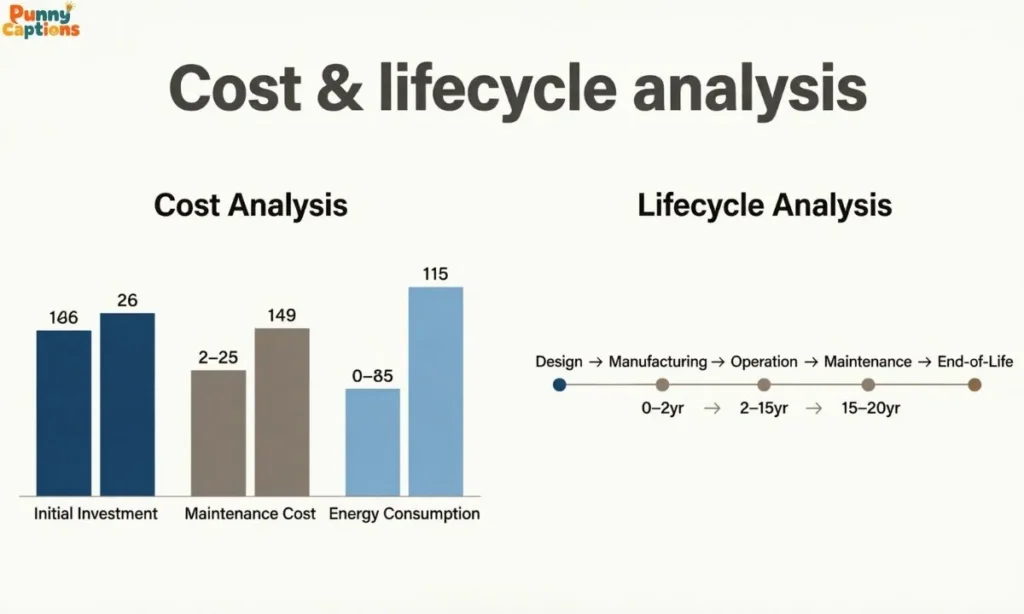
TPR compounds sit in the mid-range of outsole material costs — above commodity EVA and PVC, below premium TPU. For most programs, a TPR sole represents a small per-unit premium over EVA that is typically offset by meaningful improvements in durability and a reduction in warranty claims and returns.
Simple lifecycle model:
When evaluating the ROI of a TPR sole upgrade, estimate the following variables:
- Incremental material cost per pair (typically +$0.10 to +$0.60 per pair versus EVA, depending on compound grade and order volume).
- Expected increase in outsole wear life (many TPR compounds deliver 20–50% longer functional life than baseline EVA or PVC compounds under equivalent use conditions).
- Reduction in field returns and warranty costs over the product’s selling lifecycle.
- Brand perception value of improved product durability — particularly relevant for brands where quality is a key differentiator.
For most programs, even a modest reduction in return rate (2–5 percentage points) combined with a wear life improvement of 20–30% produces a positive ROI within 6–12 months of launch — well ahead of the typical product cycle. The key discipline is running the numbers for your specific program rather than relying on industry generalizations.
Common Pitfalls & Troubleshooting
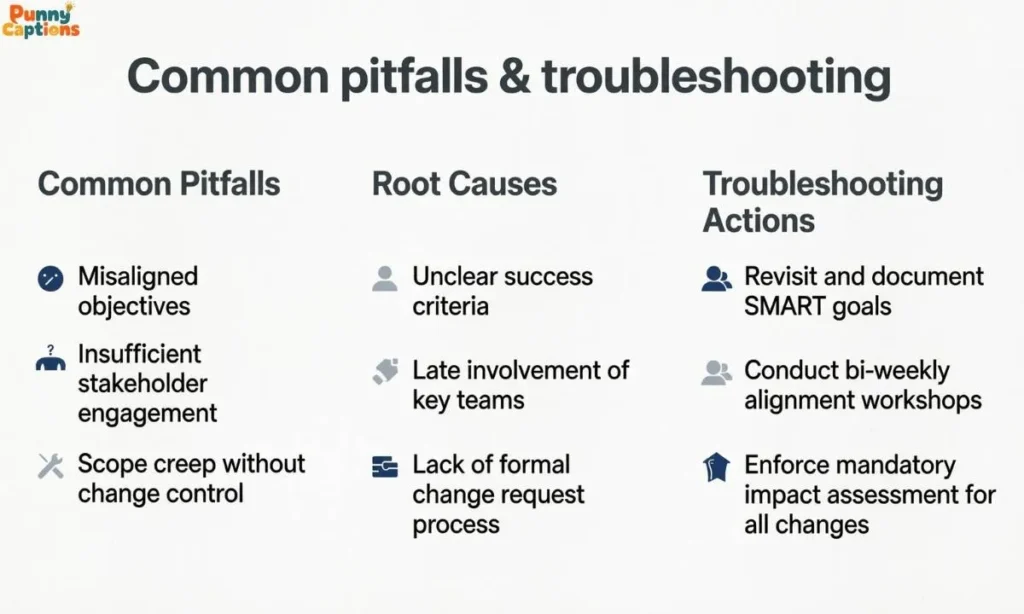
Delamination at the midsole bond line: TPR surfaces are non-polar and can resist adhesive bonding if not properly primed. Always use a TPR-compatible primer and validate the adhesive system under both ambient and humidity-aged conditions before production release.
Surface bloom: migration of plasticizers or waxes to the TPR surface creates a hazy or greasy appearance over time. This is a formulation issue — work with your compound supplier to reduce plasticizer load or select migration-resistant alternatives.
Incorrect Shore A hardness: specifying the wrong hardness grade is one of the most common errors in TPR sole programs. A compound that is too soft will deform under load and wear prematurely; too hard and the sole loses cushioning and comfort. Validate hardness with a consumer wear trial, not just a lab test.
Over-reliance on a single test: abrasion data alone does not predict outsole life. A compound with excellent Taber abrasion performance may still fail early due to flex-cracking in the forefoot. Run a combined test program including both abrasion and fatigue tests for a complete picture.
Thermal degradation during molding: excessive melt temperature or residence time in the barrel degrades the polymer and produces surface defects, discoloration, and reduced mechanical performance. Set barrel temperatures conservatively and validate with your compound supplier’s recommended processing window.
Inconsistent filler dispersion: poor twin-screw compounding upstream produces batch-to-batch variation in hardness and abrasion performance. Always request COA data for each production batch and run spot-check hardness tests on incoming material.
Also Read This: Meaning
Frequently Asked Questions
What is TPR Sole and why is it used in shoes?
TPR Sole is a flexible rubber-like material used in footwear. It gives comfort, grip, and durability.
Is TPR Sole good for daily use?
Yes, TPR Sole is great for everyday wear. It is soft, lightweight, and long-lasting.
Is TPR Sole better than rubber sole?
TPR Sole is more flexible and lighter than rubber. It also offers good grip at a lower cost.
Are TPR soles waterproof?
TPR Sole is water-resistant but not fully waterproof. It can handle light moisture easily.
How durable is TPR Sole in shoes?
TPR Sole is quite durable for regular use. It can last long if used properly.
Is TPR Sole comfortable for walking?
Yes, TPR Sole provides good cushioning. It makes walking easy and comfortable.
Can TPR Sole be used in sports shoes?
TPR Sole can be used in light sports shoes. But it is not ideal for heavy sports activities.
Does TPR Sole slip easily?
No, TPR Sole usually has good grip. It helps reduce slipping on smooth surfaces.
How to clean TPR Sole shoes?
You can clean TPR Sole with water and mild soap. Avoid using harsh chemicals.
Is TPR Sole eco-friendly?
TPR Sole is partly recyclable. It is considered more eco-friendly than some other materials.
Conclusion
TPR sole is a smart choice for modern footwear. It offers comfort and flexibility. It is also strong and long-lasting. Many people prefer it for daily use.
Designers and manufacturers benefit from its easy use. It can be shaped into many styles. It helps reduce production cost. It also gives good quality results.
Buyers get value for their money with TPR soles. They enjoy comfort and grip in every step. It works well in different conditions. Overall, TPR sole is a reliable and practical option.